Funded by the European Union under Grant Agreement No. 101292477

From biomass to polyurethane building blocks at semi-industrial scale

A Horizon Europe project building the first continuous bio-based production route for aniline, a chemical the polyurethane industry depends on.
Bio4PURconti - Logo Color
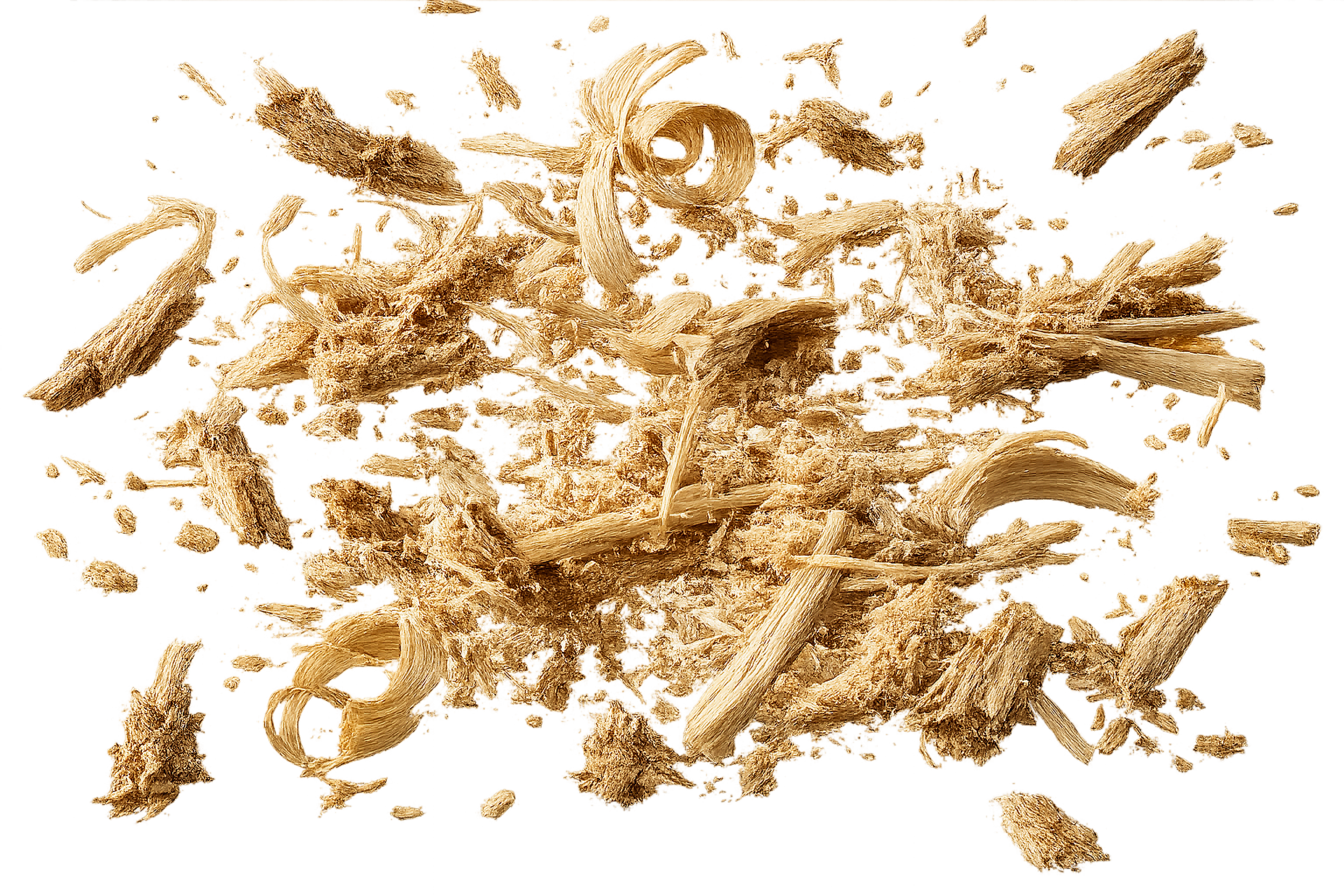
Feedstock
2nd Gen wood sugars (Fibenol)

The Revelance

Aniline is one of the key building blocks of the chemical industry

Produced at multi-million-tonne scale each year, almost all aniline today is made from fossil oil. Life cycle assessment data show that fossil-based aniline production generates 5–6 kg CO₂ -equivalents per kilogram of product– making it a significant contributor to industrial greenhouse gas emissions worldwide.¹

Aniline is a key precursor for MDI-based polyurethanes, which are widely used in insulation panels, foams, coatings and adhesives.

Switching to bio-based aniline offers a direct route to reducing the carbon footprint of these value chains – without compromising material performance.

¹ Winter, Meys & Bardow (2021), Journal of Cleaner Production. Cradle-to-grave, EU/US average.

What we do

Bio4PURConti decouples aniline production from fossil feedstocks

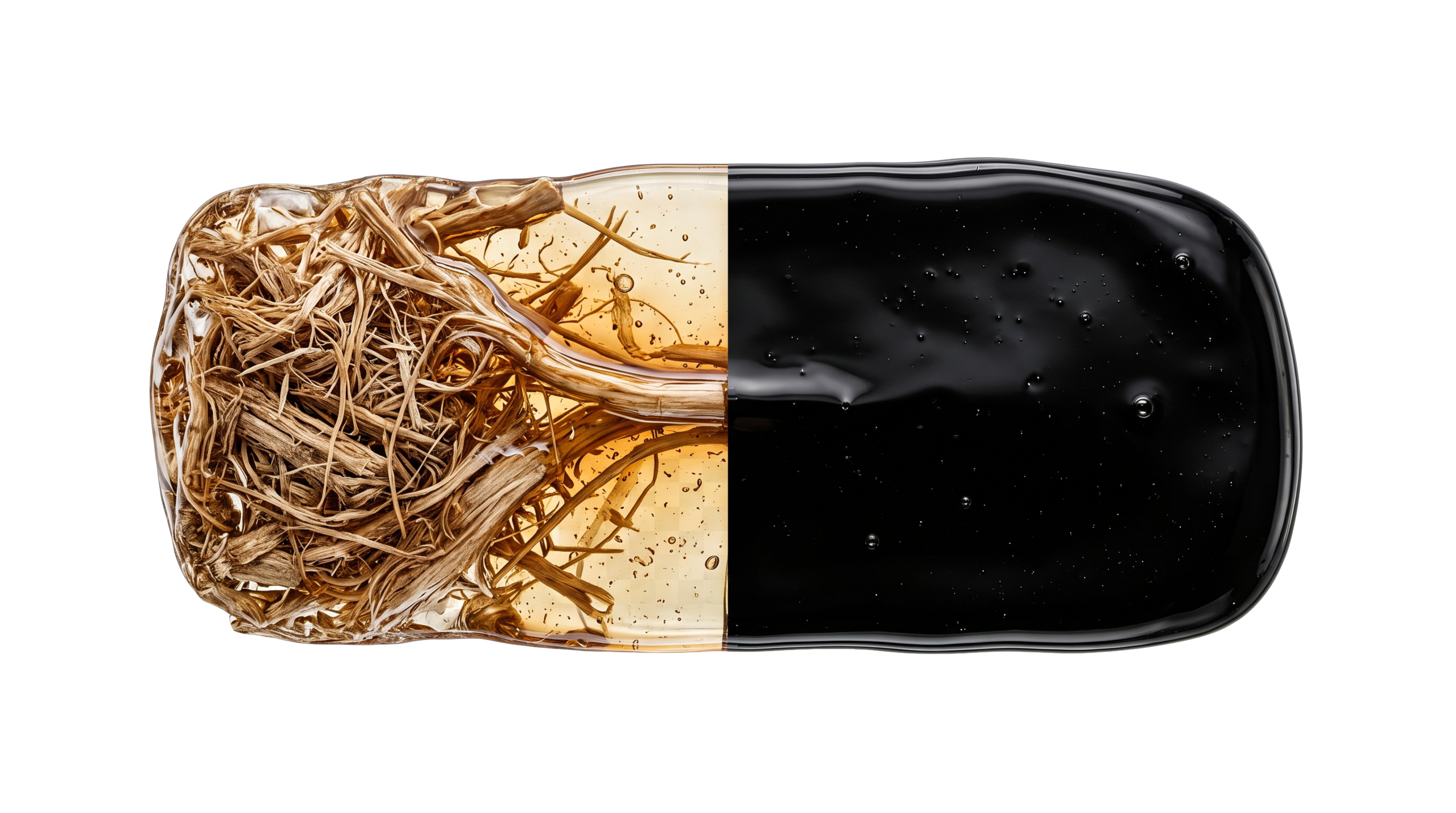
The project uses a well-known industrial microbe and renewable raw materials to produce an intermediate which is further converted to bio-based aniline.

The resulting bio-based aniline is designed as a drop-in, chemically the same as the fossil version, so it can feed straight into existing polyurethane plants, with no need to redesign them.

Why continuous

Bio4PURConti works on a continuous process instead

Most industrial fermentation run in batches, one tank at a time, then stop, empty and clean.

The microbes keep producing over long periods, and their cells are recycled back into the system. The goal is to get far more product from the same reactor over time, to lower both the cost of building a plant and the cost of running it, and to use water and raw materials more carefully.

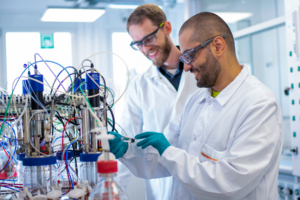
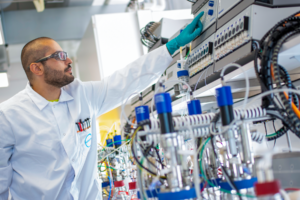
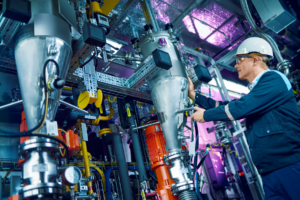
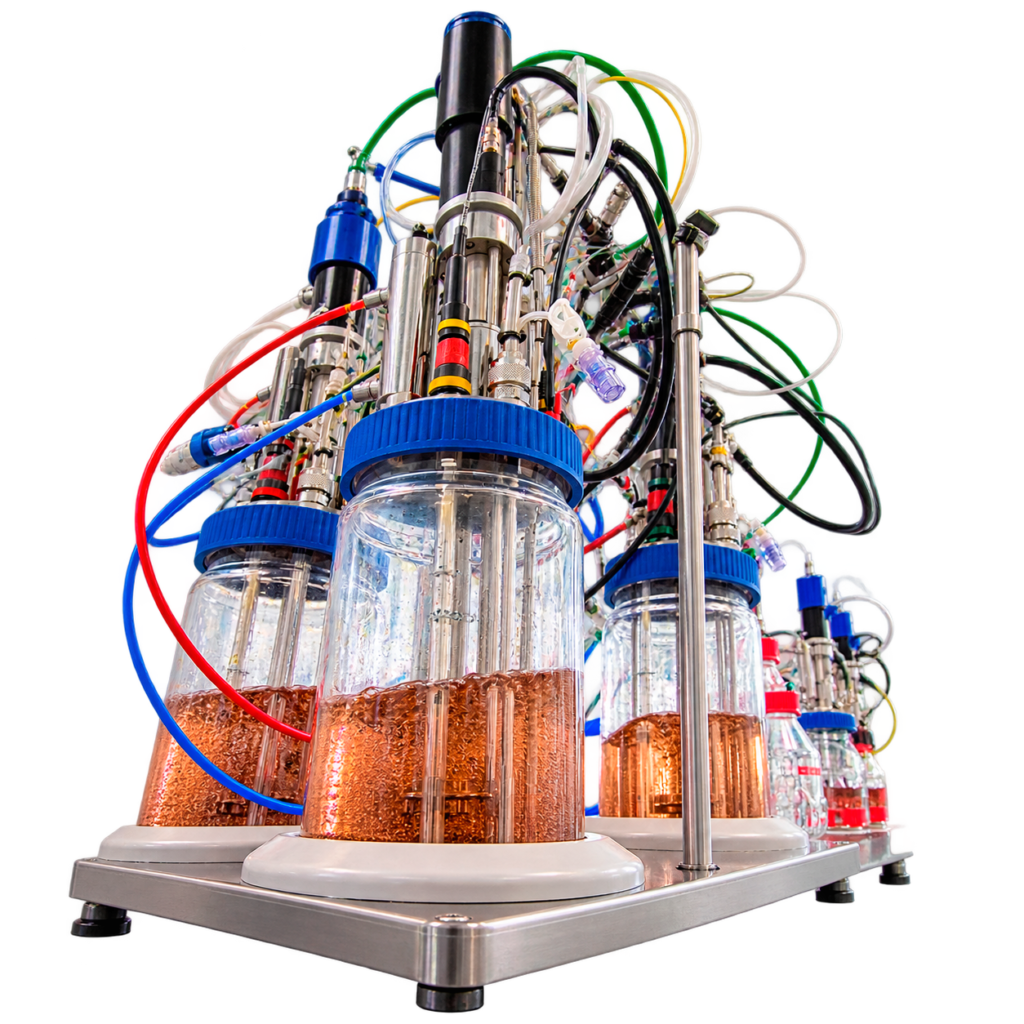
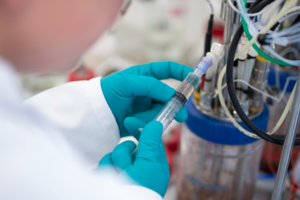
The consortium will prove the idea step by step, from the laboratory bench up to a semi-industrial tank of 1.5 cubic metres.

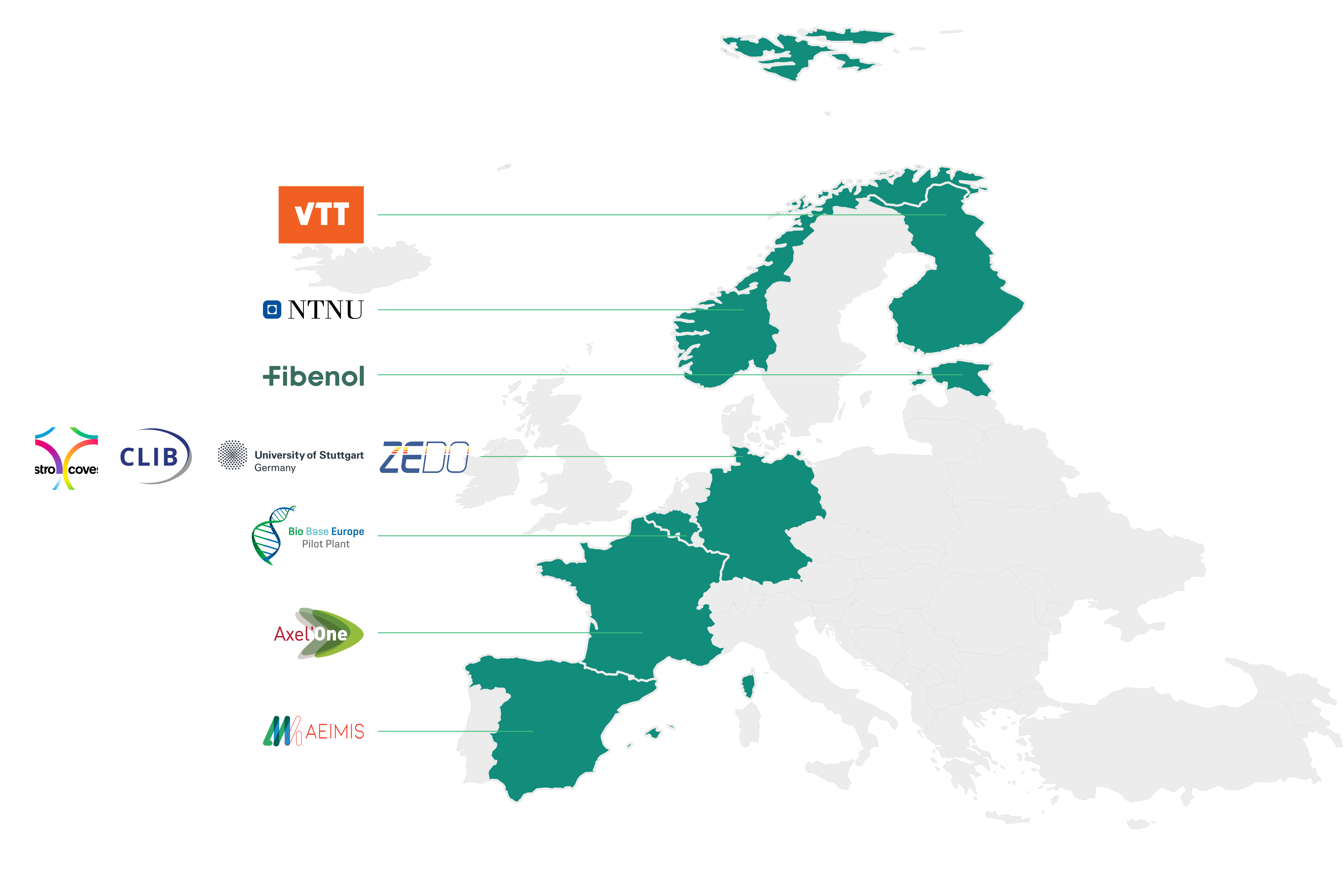
10 partners

Key numbers

0

Partners

0

Countries

0

Months

0 .5 m³

demonstration scale

0 .4

Millions Funding

How it works

Bio-based is not automatically better for the planet

Whether this route lowers emissions depends on the feedstock, the energy it uses and the whole supply chain behind it.

That is why an independent sustainability and life cycle assessment runs through the entire project, led by VTT, comparing the bio-based route against fossil aniline.

The strong environmental targets the project is working towards —including a significant reduction in carbon footprint— will be evaluated during the project.